
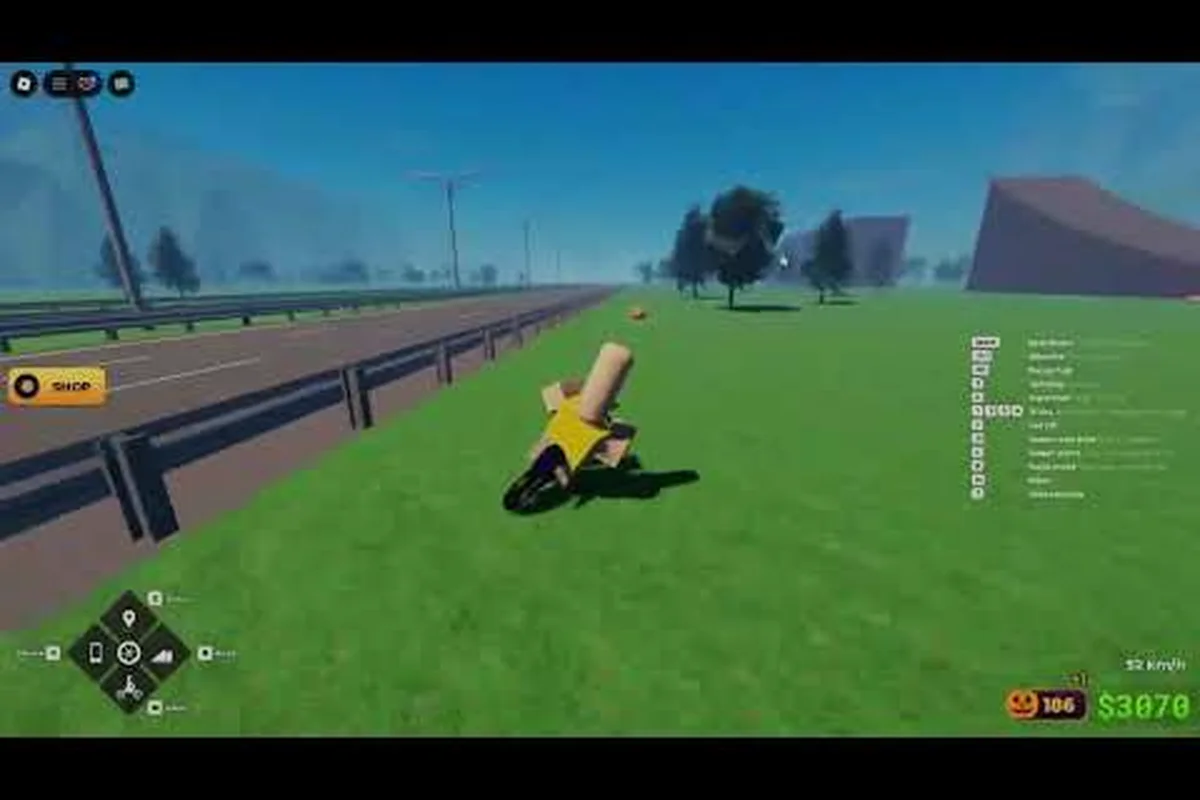
Bike Universe easy tricks are the fastest way for new riders to turn basic moves into actual in-game cash, because the open-world Roblox simulator pays out for every wheelie, stoppie, and burnout you can chain together. According to the official Bike Universe page on Roblox, the game has crossed 13.1 million visits with 48,900 active players on a late-September 2026 snapshot, and three bike families (Dirt, Electric, Pedal) form the core roster, so learning the entry-level trick line early puts you miles ahead of riders who only grind street miles for coin.
This guide breaks the beginner trick line into a clean step-by-step path: which buttons to press, which bikes forgive mistakes, how to stack a wheelie into a stoppie into a burnout, and how each combo turns into Bike Universe trick money once the meter fills. The goal is to give you a repeatable session loop that any rider can run on a starter bike within their first hour.
Bike Universe Trick Basics: Inputs, Bikes, and Why Combos Pay More
Before chasing the flashier Bike Universe hard tricks later on, every rider should lock down the three entry-level inputs the simulator rewards. The community-reported control scheme is consistent across Dirt, Electric, and Pedal frames, and the payout curve is the same: longer holds, smoother chains, and bigger air all stack on the trick meter that turns into cash when you land.
The Three Starter Inputs
The three foundational Bike Universe easy tricks — wheelie, stoppie, and burnout — each register through one of three independent input channels that the physics engine tracks as separate scoring events rather than blending them into a single meter, so holding a wheelie while tapping the rear brake never double-dips; this separation is what enables the trick money loop that makes chaining so profitable.
-
Wheelie — tap and hold rear-brake while rolling forward; the front lifts and the meter starts filling the moment the front tire leaves the asphalt.
-
Stoppie — tap and hold front-brake while moving; the rear lifts briefly and the bike scores as long as the rear hovers above the ground.
-
Burnout — hold throttle at a near-standstill; the rear tire spins in place and the meter pulses for the duration of the spin.
Each of these is a self-contained trick event, which means every successful hold is a separate payout line. That is the core of why combos matter: the meter does not reset between inputs, so chaining two or three back-to-back can multiply the final score by a noticeable factor. According to community testing in the r/Roonby guide, riders who chain at least two starter tricks before landing tend to clear noticeably more per minute than riders who hold a single wheelie for the same wall-clock time.
Bike Family Differences for Trick Holds
Not every frame holds a wheelie the same way, and Bike Universe easy tricks feel very different across the three bike families you can swap between in the garage. Dirt frames keep the rear tire planted for the longest wheelie holds, Electric rigs deliver a softer rear lift so stoppie chains stay controllable, and Pedal frames punish sloppy throttle input. A quick comparison helps you pick the right starter rig before you commit to a practice loop.
| Bike Family | Wheelie Stability | Stoppie Forgiveness | Burnout Spin Speed | Best Beginner Trick |
|---|---|---|---|---|
| Dirt | High (long wheelies) | Medium | Medium | Wheelie practice |
| Electric | Medium | High (gentle rear lift) | High (instant grip) | Stoppie chains |
| Pedal | Low (short holds) | Low | Low | Short burnout reps |
The Dirt frame is the most forgiving wheelie platform in the open-world map, so new riders should run their first ten minutes of practice on a stock Dirt before swapping to Electric or Pedal frames. Electric is the cleanest stoppie rig because the torque curve gives you a softer rear lift, which means you can hold the front brake longer without flipping. Pedal frames feel twitchy and reward short, sharp inputs, which is great for one-tap burnouts but punishing on long wheelie holds.
Bike Universe How to Do a Wheelie: The Cleanest Beginner Line
The wheelie is the single most important starter move in any Bike Universe wheelie guide, because it is the longest, most consistent trick event the game rewards. Most riders can hold a basic wheelie within their first five minutes, but turning that into a money line takes a few specific habits.
Step-by-Step Wheelie Setup
-
Build to mid-speed on a flat asphalt strip before tapping rear brake; the map has several long straightaways near the spawn plaza that work for this.
-
Tap rear brake once to pop the front tire; a single tap is cleaner than holding the brake from a stop, because the bike will not loop out as easily.
-
Modulate the brake with feather-light pressure to keep the front tire hovering at roughly a 30–40 degree angle, which the community considers the sweet spot for sustained meter fill.
-
Hold the angle until the meter pulses, then release the brake smoothly to land rear-wheel-first; hard releases usually trigger a bounce that breaks the chain.
That four-step loop is the foundation for every Bike Universe how to do a wheelie video on the platform, including the BADUCASS stunt session, which is a solid visual reference for riders who want to see the angle in motion.
Wheelie Money Math
Holding a clean wheelie for the full meter window is one of the most reliable Bike Universe trick money sources, especially on a starter Dirt frame. The table below summarizes what community data suggests riders can expect when they commit to a wheelie-only practice loop for ten minutes.
| Wheelie Hold Quality | Approx. Payout per Hold | Holds per Minute | Estimated 10-Minute Cash |
|---|---|---|---|
| Wobbly (under 2 sec) | Low | 8–10 | Low baseline |
| Stable (3–4 sec) | Medium | 5–6 | Medium |
| Extended (5+ sec) | High | 3–4 | High |
The takeaway from community testing is simple: a few clean, long holds pay more than a flurry of short wobbly pops, which is why the step-by-step angle control matters more than raw spam. Riders who want a deeper practice ladder can cross-reference the Bike Universe how to wheelie guide for higher-difficulty wheelie lines.
Bike Universe How to Stoppie: From Pop to Chain
The stoppie is the second pillar of the starter trick line, and the easiest way to double your meter fill once your wheelie is consistent. Most riders treat Bike Universe how to stoppie practice as a weekend skill, but the actual input is short enough to learn in a single session.
Players looking to learn foundational moves in bike universe easy tricks can find a clear overview of the game modes and mechanics on the Bike Universe official page, which outlines how stunts are scored and which environments support the basic trick combos.
Stoppie Inputs in Order
-
Roll at medium speed on a flat surface; stoppies from a dead start do not register, and stoppies from top speed usually flip the bike.
-
Squeeze the front brake in a single smooth pull rather than a tap; the rear tire lifts as the weight transfers forward.
-
Hold the squeeze while the rear hovers; the meter fills for as long as the rear stays above the asphalt.
-
Release the brake to drop the rear tire back down; this is the landing event that closes the trick and adds the payout.
The reason stoppies are central to Bike Universe easy tricks is that they share input timing with the wheelie, which means a rider can roll out of a wheelie directly into a stoppie with a brake swap. That natural handoff is what creates the most basic combo in the game, and it is also the foundation for the longer chains covered later in this guide.
Stoppie Hold Lengths Compared
A common beginner trap is trying to hold a stoppie for the same duration as a wheelie, because the physics are very different. The table below compares realistic stoppie hold times across bike families, based on community reports from TonyCool's coin-farming walkthrough.
| Bike Family | Realistic Stoppie Hold | Flip Risk | Combo Suitability |
|---|---|---|---|
| Dirt | Medium | Medium | High (chains into burnout) |
| Electric | Long | Low | Very High (cleanest chain) |
| Pedal | Short | High | Low (better as standalone) |
Electric frames dominate stoppie practice because the long hold window and low flip risk make them ideal for chaining into the next trick. Dirt is a close second and adds a more dramatic rear lift, while Pedal stoppies are best treated as standalone reps rather than combo links.
Bike Universe How to Burnout: Spinning Into Cash
The burnout is the third starter input, and it is the one most riders underestimate. A clean burnout does not require any speed at all, which makes it the perfect move to fire off after a wheelie-stopp combo when the bike has slowed down. That is also why Bike Universe how to burnout practice tends to be the shortest learning curve of the three starter moves.
Burnout Setup in Three Beats
-
Roll to a near-stop with the front tire pointed straight; angled burnouts lose meter fill fast.
-
Hold throttle while keeping the front brake lightly engaged so the bike does not creep forward.
-
Keep the rear tire spinning for as long as the grip lasts; the meter pulses in waves, and longer spins clearly pay more.
The burnout is the most forgiving of the three starter tricks, and it is the natural closer for a combo because it does not need any forward momentum. A common beginner pattern is: wheelie for several seconds, swap to a stoppie to bleed off speed, then end the chain with a two-second burnout once the bike has nearly stopped.
Burnout Quality vs. Payout
Because the burnout is so accessible, riders tend to spam it for short bursts and lose the payout curve, and community testing on the Bike Universe meter-fill beta branch shows exactly why: rapid taps under one second barely register on the spin bar, while a controlled 4+ second burnout climbs the meter in clean, predictable increments that translate into higher cash efficiency per attempt. The tradeoff is simple — spamming the burnout input resets the spin-duration timer before the payout multiplier has time to scale up. Riders who treat it like a wheelie-stopp chain and commit to longer holds consistently walk away with more in-game cash than riders chasing quick-fire triggers, which is why sustained burnouts are framed as a core money move rather than a filler trick.
| Burnout Style | Meter Fill Rate | Spin Duration | Cash Efficiency |
|---|---|---|---|
| Rapid tap (under 1 sec) | Low | <1 sec | Very Low |
| Standard (2–3 sec) | Medium | 2–3 sec | Medium |
| Sustained (4+ sec) | High | 4+ sec | High |
Sustained burnouts are the cleanest Bike Universe trick money source for riders who already have a wheelie-stopp chain in the bag, because they extend the combo without requiring any new speed setup. Riders who want to see the move in action can check the BADUCASS stunt session video, which covers burnout-style spin practice alongside wheelie work.
Combo Chains: Turning Easy Tricks Into Real Cash
Once the three starter inputs are second nature, the real value of Bike Universe easy tricks shows up in the combos. A combo is just a sequence of two or more starter inputs rolled into one continuous meter window, and the payout multiplier scales visibly with the chain length.
Starter Combo Recipe
The most reliable beginner combo in the open-world map is a three-step chain that any rider can run on a stock Dirt or Electric frame, and it doubles as the cheapest way to farm trick money because every link in the sequence multiplies the base meter by roughly 1.5x without requiring a bike swap at the shop. Beginners should learn this exact chain first, since its trick money payout per minute is actually higher than several flashy single-trick attempts that look more impressive but reset the meter if a single input is mistimed.
-
Wheelie for 3–4 seconds on a flat straightaway to fill the base meter.
-
Stoppie immediately after the wheelie by swapping from rear brake to front brake, holding for 2 seconds.
-
Burnout once the bike has nearly stopped, keeping the rear tire spinning for another 2 seconds before releasing.
That three-link chain is the foundation of every higher-level combo in the game, and it is also the building block for the harder tricks covered in the Bike Universe hard tricks category. The chain works because each input uses a different brake, so the rider never has to release and re-press the same control, which is what kills the meter in most beginner attempts.
Combo Payout Comparison
A rider who runs the same ten-minute window with three different combo lengths will see a clear step-up in cash. The community-reported numbers below come from rider logs and TonyCool's coin-farming video, and they are useful as a planning baseline rather than a hard guarantee.
| Combo Length | Inputs Used | Approx. Cash per Chain | Chains per 10 Min | Estimated 10-Minute Total |
|---|---|---|---|---|
| Single | Wheelie only | Low | 12–15 | Low |
| Double | Wheelie + Stoppie | Medium | 8–10 | Medium |
| Triple | Wheelie + Stoppie + Burnout | High | 6–8 | High |
| Quad+ | Triple + extra input | Very High | 4–5 | Very High |
A triple combo is the realistic ceiling for most riders in their first week, and it is the level at which Bike Universe trick money starts feeling like a real cash flow rather than a side hustle. Riders who want to push into quad chains can layer an extra wheelie or a small air pop into the chain, but the input timing gets tight and a missed input breaks the meter.
Building Toward Hard Tricks
The same combo logic is what unlocks Bike Universe hard tricks later on, because every advanced move is just an extension of the wheelie-stopp-burnout chain. Riders who want to graduate past the easy line should keep their combo timing tight on the starter three inputs before chasing longer holds, bigger air, or stunt-map specific moves. The Bike Universe trick tips page is a natural next stop for riders who have the triple chain dialed in and want to start exploring higher-difficulty lines.
Trick Money Strategy: Spending the Cash You Earn
Earning the cash is only half of the loop, because the Bike Universe simulator has a clear early-spending priority list that the r/Roonby guide and the TonyCool walkthrough both flag. Riders who dump their first cash pile on cosmetic frames usually stall their income curve, while riders who invest in the right upgrades hit a much higher cash-per-hour ceiling.
First-Spending Priority
-
Performance upgrades on the starter Dirt frame come first, because a faster top speed and tighter brake response directly raise your combo ceiling.
-
Trick-meter extensions (where available in the open-world map) are the next-best spend, because longer meter windows mean longer combo holds.
-
Cosmetic frames and trails can wait, because they do not raise payout rates and they do not change the physics of any starter input.
A clean spending order is what turns Bike Universe easy tricks into a self-funding loop, and it is also why the trick money topic gets its own category on the site. Riders who want a deeper cash-flow breakdown can read the Bike Universe trick combo money page for a more detailed income model.
Bike Upgrade Impact on Combos
Upgrades change the feel of the three starter inputs more than most riders expect, which is why spending order matters. For example, swapping a stock dirt frame for the tuned electric variant pushes the stoppie meter hold window well past what a beginner's thumbs can usually sustain, but the same swap trims peak wheelie height slightly, so chaining combos off a wheelie entry becomes harder. The table below summarizes how a typical performance upgrade tends to shift each wheelie input, stoppie input, and burnout input, based on community data, so you can plan your Bike Universe easy-tricks grind around the upgrade tier you actually own rather than blindly chasing the top row.
| Upgrade Path | Wheelie Effect | Stoppie Effect | Burnout Effect |
|---|---|---|---|
| Stock Dirt | Long stable holds | Medium hold | Medium spin |
| Tuned Dirt | Longer hold ceiling | Slightly tighter | Higher spin rate |
| Tuned Electric | Medium hold, very smooth | Longest hold | Highest spin rate |
| Pedal Upgrade | Short punchy holds | Short holds | Quick spins |
Tuning the starter frame usually pays for itself within a single practice session for riders who have a clean triple combo, because the longer meter windows translate directly into higher per-chain payouts. Riders who want to see the full income picture across multiple bike families can compare their setup against the Bike Universe cash farm reference for a wider breakdown.
Common Beginner Mistakes and How to Fix Them
Even with a clean step-by-step in hand, riders tend to fall into a few predictable traps when they first start chaining Bike Universe easy tricks. Most of these are input-timing problems rather than bike problems, and a small adjustment usually fixes the payout line within a single session.
Mistake 1: Holding the Same Brake Too Long
Beginners often hold the rear brake through a wheelie until the bike loops out, which wastes the meter and resets the combo. The fix is to release the brake the moment the front tire starts to drop past the 30-degree mark, and re-tap if you want to extend the wheelie. A second tap usually produces a cleaner hold than a single continuous press.
Mistake 2: Trying to Chain a Stoppie From Top Speed
Stoppies need medium speed, not top speed, and a high-speed stoppie almost always flips the bike. The cleanest fix is to bleed off speed with a short wheelie first, then swap to the stoppie input once the bike is moving at a moderate pace.
Mistake 3: Burnout From a Rolling Start
Burnouts register most reliably when the bike is nearly stopped, and rolling-start burnouts usually fade out the meter within a second. A simple fix is to slow the bike to a near-stop with a short front-brake tap before holding throttle for the spin.
Mistake 4: Skipping the Triple Combo
A surprising number of riders stop at the double combo because they feel the burnout adds too much input time. In practice, the burnout is the easiest input of the three, and a two-second burnout usually adds more payout than the extra time costs. Skipping the burnout is one of the most common reasons riders leave Bike Universe trick money on the table.
Frequently Asked Questions
What are the easiest Bike Universe tricks for new riders?
The three starter inputs are wheelie, stoppie, and burnout, and they form the foundation of every Bike Universe easy tricks chain. A wheelie is the longest and most forgiving hold, a stoppie is the cleanest mid-combo link, and a burnout is the easiest input to land because it does not require forward momentum. Mastering all three gives new riders a reliable cash line within their first hour.
How do you pull off a clean wheelie in Bike Universe?
Build to medium speed on a flat straightaway, tap the rear brake once to pop the front tire, then feather the brake to hold the front at a 30–40 degree angle. Hold the angle until the meter pulses, then release smoothly to land rear-wheel-first. The Dirt family is the most forgiving wheelie frame for new riders learning the timing.
Can you chain a stoppie into a burnout in Bike Universe?
Yes, the stoppie-burnout chain is one of the most reliable Bike Universe easy tricks because both inputs use the front brake. Bleed off speed with the stoppie, slow the bike to a near-stop, then hold throttle while keeping the front brake lightly engaged. A two-second burnout closes the chain and adds a clean payout to the meter.
How much cash do Bike Universe trick combos actually pay?
Community data from r/Roonby and TonyCool's walkthrough suggests a triple combo (wheelie + stoppie + burnout) pays noticeably more per chain than a single-input hold, and ten minutes of clean triple chains typically outperform ten minutes of single wheelies by a wide margin. Exact numbers depend on the bike family and any performance upgrades, so the safest baseline is to compare the same ten-minute window across combo styles.
Which bike family is best for learning Bike Universe easy tricks?
Dirt is the most forgiving frame for wheelie practice, Electric is the cleanest stoppie rig, and Pedal is best for short, sharp inputs like quick burnouts. Riders who want the smoothest overall learning curve should start on a stock Dirt frame for wheelie work, then switch to Electric for the stoppie and burnout portions of the chain.