
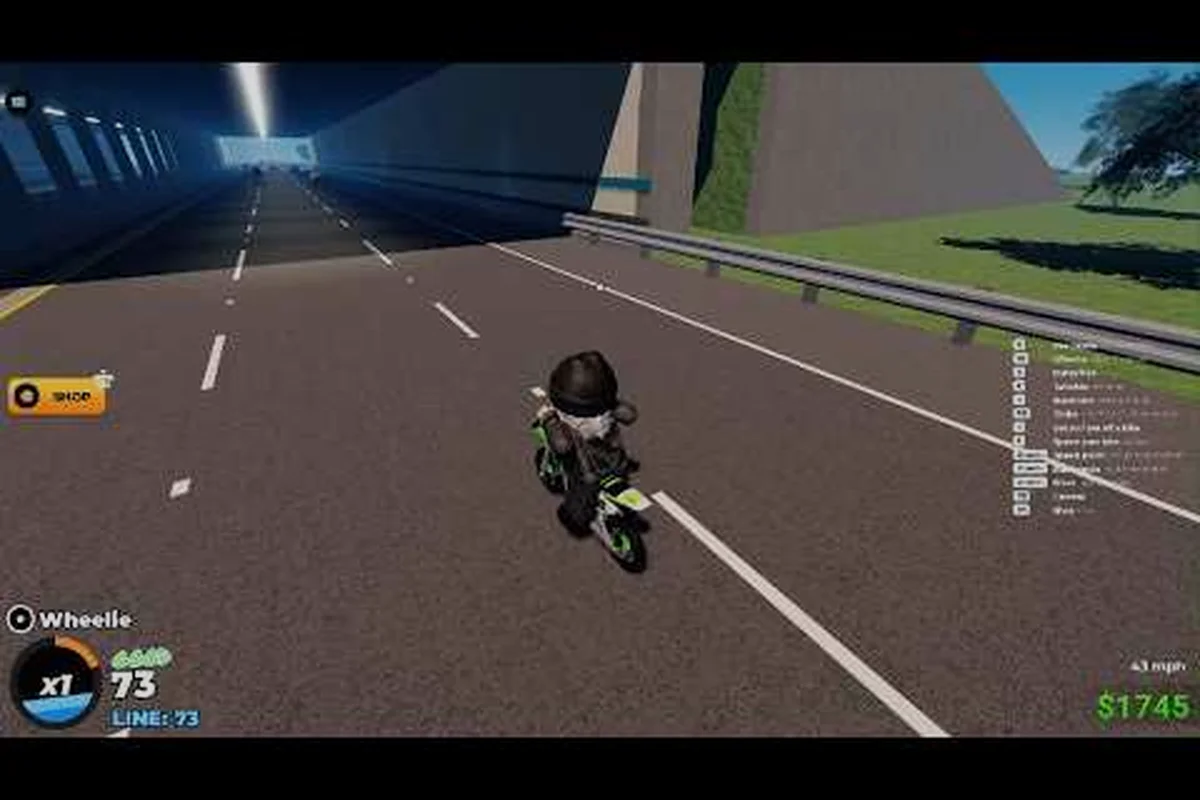
Tuning a bike in Bike Universe is the fastest way to turn a stock ride into a machine that matches your style, and this bike universe tune bike guide walks you through every upgrade path, performance part, and paint job that actually moves the needle. The tuning system spends hard-earned cash on speed and handling parts tailored to how you ride, and the right order of spending keeps you competitive from your first wheelie to late-game races. According to the official Bike Universe page on Roblox, the game had logged 13.1M+ visits, 48.9K active players, and 38K+ favorites by late September 2026, which means tuning meta is evolving fast and community-tested build orders matter more than ever.
What the Tuning Menu Covers
The tuning system in Bike Universe is built around three bike families — Dirt, Electric, and Pedal — each with its own stat profile and upgrade ceiling. Tuning spends cash on performance upgrades that raise speed and handling, tailored to your riding style, and the catalog of bike universe upgrade parts changes as the developer ships new content.
Cash flows in from riding, wheelies, and tricks, so tuning is tied to your play loop rather than gated behind a separate crafting station. Community data from a r/Roonby guide on Bike Universe confirms that steady riding income plus wheelie bonuses gives most riders enough cash to start meaningful upgrades within their first session. The trick is sequencing: dump everything into the wrong stat and your bike handles worse than a stock model.
How Cash, Parts, and Bikes Interact
Every bike in the game has a finite upgrade track, and the parts you buy are scoped to that specific bike. Once you swap to a new model, you start a fresh upgrade progression on that chassis, which makes choosing your first tuned bike a strategic decision rather than a cosmetic one.
| Stat | What It Controls | Best Riding Style | Cost Tier |
|---|---|---|---|
| Top Speed | Maximum velocity on flat ground | Long sprints, race wins | High |
| Acceleration | 0-to-top-speed time | Trick chaining, traffic weaving | Medium |
| Handling | Turn sharpness and lean response | Wheelies, technical tracks | Medium |
| Braking | Stop distance and reverse trigger | Downhill runs, stunt control | Low |
| Grip | Wheelie duration and traction | Wheelie money farming | High |
These five stats are the core of every bike universe performance parts decision, and the table above maps each one to the riding style that benefits most from maxing it first. In practice, that means a wheelie money farmer should pour early parts budget into Grip (High tier) to extend balance time on the rear wheel, while a downhill racer benefits more from Braking upgrades at Low cost to tighten reverse-trigger timing on steep descents. The cost tier column also signals priority: a single High-tier stat like Top Speed eats roughly three Low-tier installs, so front-loading cheaper Braking and Handling parts lets you unlock a usable tuned bike before committing cash to Top Speed.
Bike Universe Bike Upgrade Guide: Where to Spend First
New riders almost always face the same dilemma: spread cash across every part evenly, or hyper-focus on a single stat. Community testing on the NoobBlox Bike Universe guide tier list shows that hyper-focusing wins early because each upgrade tier compounds — a maxed Top Speed part delivers more real-world benefit than five half-finished parts spread across the bike.
The safe starting order is Top Speed → Acceleration → Handling, then revisit Grip and Braking once your bike feels twitchy on long wheelies. If you spend early cash on cosmetic bike universe bike paint instead, you are deliberately trading lap time for aesthetics, which is fine if you do not plan to race competitively.
Recommended Upgrade Order by Budget
Budget tier matters more than many riders realize, because part prices scale sharply between the third and fifth upgrade. The following table breaks down a recommended spending path by cash bracket, based on community-reported income rates from riding and wheelie combos.
| Budget Bracket | Cash Range (approx.) | Priority Parts | Stat Goal |
|---|---|---|---|
| Starter | 0–5K | Engine → Wheels | Top Speed +10% |
| Mid | 5K–25K | Engine → Tires → Frame | Top Speed +25%, Handling +10% |
| Late | 25K–100K | Full engine + suspension overhaul | All stats 60–80% |
| Endgame | 100K+ | Max every part, swap bike tier | All stats 100% |
Riders who follow this order report the smoothest progression curve, because each part they buy delivers a visible performance jump instead of a marginal stat nudge. If you want a deeper walkthrough of earning that cash quickly, the Bike Universe beginner guide covers riding income and wheelie bonuses in detail.
Bike Universe How to Upgrade Bike: Step-by-Step
The actual upgrade flow in Bike Universe is intentionally simple, which is good news for new players. Walk to your bike, open the tuning menu, pick the part, and confirm the purchase — there is no crafting minigame or part-drop RNG to navigate. The complexity lives in choosing what to buy, not how to click the button.
The Upgrade Workflow
Before you open any tab, spend two or three minutes on the bike universe tune bike main screen so you know whether you actually need a new turbo, a grippier tire compound, or simply a fresh coat of paint. Because the upgrade workflow shares a single cash pool, a wrong first click, such as dropping credits on cosmetic rims before the gearbox is maxed, is the single most common reason a build stalls in the mid-tier bracket. Reading the four sub-menus in left-to-right order (Engine, Wheels, Frame, Aesthetic) also keeps stat priorities aligned, since each tab only accepts parts that feed one branch of the bike's performance curve.
| Menu Tab | Parts Inside | Stat Affected | Common Mistake |
|---|---|---|---|
| Engine | Motor, Gearbox, Turbo | Top Speed, Acceleration | Skipping the gearbox |
| Wheels | Tires, Rims, Hub | Grip, Handling | Buying cosmetic rims first |
| Frame | Chassis, Suspension, Seat | Braking, Handling, Weight | Ignoring suspension |
| Aesthetic | Paint, Decals, Horn | None (cosmetic only) | Spending cash before maxing performance |
The Aesthetic tab is where every bike universe paint job lives, and it is worth visiting after you finish a performance build rather than during. Paint jobs do not affect stats, so spending cash on them mid-build is essentially a temporary display choice.
Common Build Paths by Bike Family
Not every bike benefits from the same upgrade path inside Bike Universe, so tuning parts should match the chassis family rather than copying a friend's build. The three families — Dirt, Electric, and Pedal — each answer a different riding niche: Dirt for off-road wheelie farming, Electric for race sprints and trick chaining, and Pedal for technical stunt tracks. The table below summarizes the community-preferred build direction for each, mapping the best primary and secondary stat alongside the tuning style that players use most often.
| Bike Family | Best Primary Stat | Best Secondary Stat | Tuning Style |
|---|---|---|---|
| Dirt | Grip | Top Speed | Wheelie farming, off-road |
| Electric | Acceleration | Top Speed | Trick chaining, race sprints |
| Pedal | Handling | Braking | Technical tracks, stunt control |
Riders who specialize in wheelie money should build toward Grip on a Dirt chassis, because longer wheelies directly translate to more cash per minute. If your goal is racing, the Electric family with stacked Acceleration and Top Speed parts tends to win more sprint events. The Pedal family is a specialist pick for technical tracks where Handling and Braking matter more than raw speed.
Bike Universe Performance Parts: Deep Dive
Once you reach the mid-budget bracket, the bike universe performance parts catalog opens up and the decisions get more nuanced. The same part slot can have two or three variants, and each variant prioritizes a different stat. Reading the part description carefully is the difference between a build that feels great and one that feels off.
Engine Parts Breakdown
The engine is the most expensive and most impactful upgrade track on any bike, because it drives both Top Speed and Acceleration. Most community guides recommend maxing the engine first, then moving to wheels and frame, which mirrors the budget table above.
| Part Slot | Budget Option | Mid Option | Endgame Option | Stat Focus |
|---|---|---|---|---|
| Motor | Stock Motor | Torque Coil | V-Max Overdrive | Top Speed |
| Gearbox | 3-Speed | 5-Speed Sport | 7-Speed Race | Acceleration |
| Turbo | None | Light Turbo | Heavy Turbo | Top Speed (burst) |
A common mistake is buying the Heavy Turbo before the V-Max Overdrive, because the burst speed from the turbo feels dramatic but does not raise your sustained top speed. Always max the base motor first, then layer the turbo on top.
Wheel and Frame Considerations
Wheels and frame parts tend to get ignored in favor of engine upgrades, but they are critical for riders who chain tricks or run long wheelies. The Bike Universe tricks guide covers how upgraded tires extend wheelie duration, which directly increases cash income per session.
| Part Slot | Low-Cost Pick | High-Impact Pick | Best For |
|---|---|---|---|
| Tires | Sport Tire | Traxion Pro | Wheelie farming |
| Rims | Alloy Rim | Forged Race Rim | Cosmetic + minor grip |
| Suspension | Stock | Adjustable Race | Handling on rough terrain |
| Frame | Light Frame | Reinforced Race | Braking and weight balance |
If you race often, the Adjustable Race suspension is the highest-value frame part in the mid-budget bracket, because it lifts handling without costing top speed. Riders focused on wheelie income should prioritize the Traxion Pro tire, because every extra second of wheelie duration compounds into real cash.
Bike Universe Bike Paint and Paint Jobs: Cosmetic Layer
Once your performance build is finished, the bike universe bike paint menu becomes relevant. Paint jobs in Bike Universe are pure cosmetic — they do not alter any stat, do not affect resale, and do not change matchmaking. The only reason to spend cash on paint is appearance, and that is a perfectly valid reason because a tuned bike you actually like riding will see more use.
Paint Job Categories
In the bike universe tune bike paint system, categories are bundled into theme packs — for example, the "Solid" tier ships as a 5-color palette unlock while "Neon" packs include a glow shader plus matching wheel trim, and the listed price tier reflects the full bundle cost rather than a per-color fee. Community-favorite picks are based on aggregated votes from the in-game design forums, but exact contents and regional pricing can shift between mobile and PC patches, so check the paint shop's rotating inventory tab before committing upgrade parts budget to a cosmetic overhaul.
| Paint Category | Visual Style | Price Tier | Community Pick |
|---|---|---|---|
| Solid | Single color, clean lines | Low | Starter favorite |
| Metallic | Glossy, light-reactive | Medium | Mid-budget build |
| Neon | Glow effect, night-visible | High | Show-off builds |
| Pattern | Stripes, decals, gradients | Medium | Balanced choice |
| Limited | Event-only, time-gated | Very High | Collector tier |
Limited paint jobs tend to be the most expensive because they are tied to seasonal events, and players who collect every limited paint end up spending more on cosmetics than on performance. If you want to race with style, the Metallic and Pattern categories offer the best visual impact per dollar spent.
Combining Paint With Performance
A well-tuned bike with a clean paint job is the most rewarding endgame state in Bike Universe, because you get the lap-time benefit of fully upgraded parts and the visual satisfaction of a personalized look. Riders who reach this state often share screenshots and paint codes with their crew, which has spawned a small trading community around rare color combinations.
If you want to push your bike to its limits in a competitive setting, the Bike Universe racing guide covers race mode, 1v1 matchups, and the track types where each bike family performs best. Pairing a fully tuned Electric build with the right track knowledge is the fastest way to climb the casual race ladder.
Tuning Mistakes and Budget Traps
Even experienced riders fall into a few common tuning traps, and the cost of those mistakes adds up over a play session. The biggest one is buying cosmetic paint before finishing the core performance build, because it leaves the bike underperforming for the rest of the session.
Tuning Mistakes That Waste Cash
| Mistake | Why It Hurts | Better Choice |
|---|---|---|
| Buying paint first | Wastes cash, no stat gain | Finish Engine, then paint |
| Skipping Gearbox | Caps acceleration at low tier | Always buy gearbox with motor |
| Maxing one stat only | Bike feels unbalanced | Spread across 2–3 stats |
| Ignoring tires | Short wheelies, less cash | Upgrade tires for income |
| Selling tuned bike | Loses all part progress | Keep bike, buy new chassis |
The "Selling tuned bike" trap is the most painful, because all upgrades on a sold bike are wiped. When you want a new model, keep your current tuned bike and buy the new one separately. The new bike starts at stock, but your old tuned ride remains a high-performance backup for farming cash.
When to Switch Bikes
Bike tier upgrades happen at certain cash thresholds, and the community-recommended moment to switch is when you have enough cash to both buy the new bike and immediately put a mid-tier performance build on it. Switching too early means you spend your entire budget on the chassis and end up with a stock-feeling ride.
| Trigger | Recommended Action |
|---|---|
| New bike released | Wait 1–2 weeks for community testing |
| Cash reaches 100K | Consider upgrading to next bike tier |
| Current bike fully maxed | Switch to higher tier or collect alt family |
| Update changes meta | Re-read build guides, retune parts |
The developer group on Roblox, run by FJJWolfie3 with 64,969 members as of October 2026, is the best place to catch update-driven meta shifts early. Joining the Bike Universe Roblox group keeps you ahead of balance changes that might invalidate your current build.
Advanced Tuning and Endgame Builds
Once you have one bike fully maxed and a second bike in the mid-tier range, the bike universe tune bike progression opens into an advanced phase. At this point, the goal shifts from "buy the next part" to "optimize across multiple bikes and play styles." Endgame riders typically maintain at least one maxed bike per family — a Dirt for wheelie farming, an Electric for racing, and a Pedal for technical stunt runs.
The Three-Bike Endgame Setup
Running three fully upgraded performance-part builds does demand a larger upgrade budget than a single focus project, since each family needs its own Grip, Acceleration, and Handling caps to reach endgame viability, plus separate paint jobs to keep the three chassis visually distinct. The payoff, however, is complete coverage of every major income source: wheelie farming on the Dirt, race payouts on the Electric, and trick chains on the Pedal. The table below summarizes the endgame role for each family.
| Bike Family | Endgame Role | Build Focus | Income Source |
|---|---|---|---|
| Dirt | Wheelie cash farm | Max Grip + Top Speed | Wheelie money |
| Electric | Race and sprint winner | Max Acceleration + Top Speed | Race payouts |
| Pedal | Stunt and trick rider | Max Handling + Braking | Trick chains |
The Dirt bike pays for the other two, because wheelie farming on a fully tuned Dirt chassis generates the highest steady income. Riders who want to race competitively should fund their Electric build with Dirt farm cash, and the Pedal bike becomes a luxury collector for stunt-focused sessions.
Update Awareness
The tuning meta shifts with each developer patch, so endgame riders monitor the official group and community channels for balance changes. A part that was meta last patch might get nerfed, and the Bike Universe update fixes guide tracks which parts have been buffed, nerfed, or rebalanced in recent releases.
Frequently Asked Questions
What is the best bike to tune first in Bike Universe?
The Dirt family is the best first tune because it earns cash the fastest through wheelie farming, and that income funds upgrades on your second and third bikes. Once your Dirt is fully maxed, switch to an Electric build for racing and a Pedal build for stunt work.
How much cash do I need to fully tune a bike?
A complete performance build on a single bike runs roughly 100K cash from stock to maxed, based on community-reported part prices. New riders typically hit that threshold within a week of steady riding and wheelie farming, though exact timing depends on session length and trick consistency.
Do paint jobs affect bike performance in Bike Universe?
No — paint jobs are purely cosmetic in Bike Universe and have zero effect on speed, handling, or trick income. Spend tuning cash on actual performance parts first, and treat paint as a reward to unlock after your Dirt, Electric, or Pedal bike is fully upgraded.
Do paint jobs affect bike performance in Bike Universe?
No, paint jobs are a purely cosmetic purchase in Bike Universe and have zero effect on Top Speed, Acceleration, Grip, or Handling. The Motor, Gearbox, and Wheels are the only upgrades that move your performance numbers, so spend paint cash only after the chassis is fully maxed to avoid stalling your build progression.
Which upgrade part gives the biggest performance jump?
Community testing consistently points to the Motor part in the engine tab as the single highest-impact upgrade, because it raises both Top Speed and Acceleration. Max the Motor first, then add the Gearbox to unlock the next acceleration tier.