
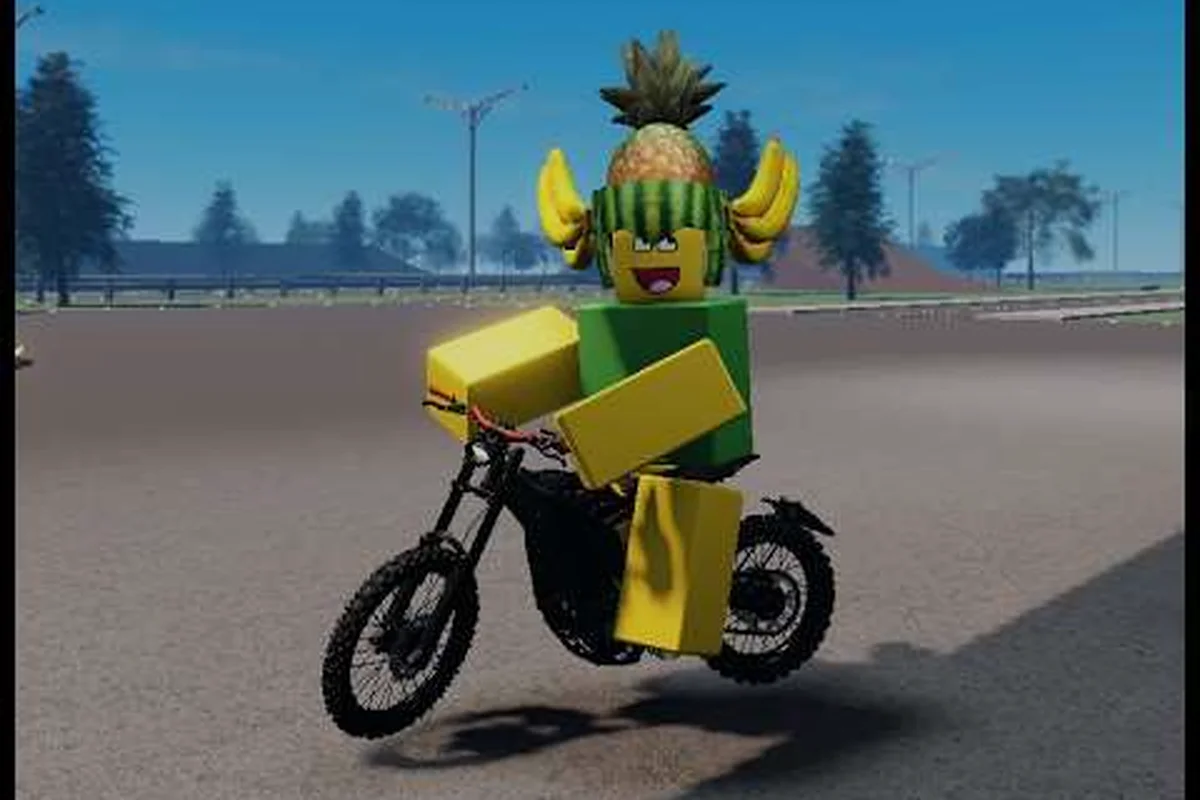
The Bike Universe city race is the headline showdown every rider chases after they outgrow casual cruising, because urban courses turn tight corners and long highway straights into a single test of bike choice, handling, and patience. According to the Bike Universe official Roblox page, Racing lets friends go head-to-head on the map, and the city routes are the most demanding variation of that core loop. This guide breaks down the urban race course lineup, the race winner profile, the stats that actually matter, and the exact path for race mode unlock so you can step into your first city showdown ready to podium instead of crash out at the first hairpin.
Bike Universe City Race Map Overview and Urban Route Layout
The city race takes the open-world sandbox and funnels every rider into a closed loop that mixes downtown intersections, elevated highway segments, and short off-road cuts. Compared to free-roam riding, where you can pick your pace and ignore traffic lights, the city course forces consistent commitment: once the timer starts, the only way to gain positions is through sharper lines and better bikes. Community testing of the Bike Universe Roblox group suggests the urban track is the second course most players unlock after the basic open-map sprint, and it remains a top-three pick for serious racers through late 2026.
Core Route Segments
Every city race course in Bike Universe shares a common skeleton, and learning that skeleton is what separates consistent winners from riders who depend on luck. The route is built from three repeating blocks stitched into a single loop, and each block tests a different bike stat.
| Segment | Approximate Share of Lap | Primary Stat Tested | Common Mistake |
|---|---|---|---|
| Downtown Grid | 40% | Acceleration and handling | Hugging the outside of every turn |
| Elevated Highway | 45% | Top speed and stability | Over-revving into off-ramp corners |
| Service Alley Cut | 15% | Acceleration off low speed | Bailing into traffic cones |
The Downtown Grid is where most city race winners bank their early lead, because the grid rewards bikes that can pull out of slow corners without losing momentum. Riders who try to muscle through with a top-speed-only build usually lose two to three positions before the highway, and they never recover. The Elevated Highway is the longest uninterrupted straight in the loop, and it favors bikes with high top speed and good stability at velocity, which is why so many race winners swap to a high-tier build for this specific section. The Service Alley Cut is short, but it punishes riders who fail to keep their line through the narrow corridor — one bad push off a wall and the entire lap is gone.
How the City Course Compares to Other Race Modes
Bike Universe runs several race formats, and the city race is a mid-tier difficulty option that sits between the beginner-friendly open-map sprint and the late-game highway specialist format. The table below compares the three formats using the race stats that most players care about.
| Race Format | Track Length (Relative) | Skill Floor | Best Bike Family | Primary Winner Profile |
|---|---|---|---|---|
| Open-Map Sprint | Short | Beginner | Pedal or Electric | New riders earning first wins |
| Bike Universe City Race | Medium | Intermediate | Electric or Dirt | Riders with one upgraded mid-tier bike |
| Highway Specialist | Long | Advanced | Dirt or tuned Electric | Veterans with top-tier upgrades |
If you can consistently finish top three in the open-map sprint, the city race is the natural next step. If the highway specialist format feels chaotic, dropping back into the city course is the fastest way to rebuild confidence without losing the speed training that the highway provides.
Bike Universe Race Course Breakdown and Best Highway Pick
Not every city race course is the same, and understanding the differences between the urban variants is the first step toward becoming a race winner instead of a mid-pack finisher. The official game page lists Racing as a head-to-head format, but the actual track rotation pulls from a pool of city layouts that each lean on different bike stats. Picking the right highway portion is what usually decides the finish, because the downtown section is short enough that even slow bikes can survive it, while the highway rewards pure speed.
The Three Main Urban Course Variants
| Variant | Highway Style | Corner Density | Best Bike Stat | Win Condition |
|---|---|---|---|---|
| Skyline Loop | Long, sweeping | Low | Top speed | Hold full throttle, brake late |
| Downtown Dash | Short, connector-style | High | Acceleration | Exit corners first, build gaps |
| Bridge Run | Mid-length, with on/off ramps | Medium | Balanced | Pick clean lines, no wall hits |
The Skyline Loop highway is the most popular pick for Bike Universe highway race practice, because it has the longest uninterrupted straight and very few off-ramp hazards. Riders chasing race winner status in this variant should prioritize top speed and stability over raw acceleration, since there are only two real braking zones in the entire lap. The Downtown Dash is the opposite: the highway is short, the corners are frequent, and the rider who exits the first downtown block first usually wins. Here, acceleration off slow speed matters more than flat top speed, because every straight is broken by a 90-degree turn.
The Bridge Run is the balanced variant that shows up most often in random city race rotations, and it tends to reward the most well-rounded bikes. According to community data, riders who win the Bridge Run variant are almost always the ones who avoid wall contact in the on-ramp sections, because each tap off a guardrail costs roughly half a second, and three taps is the difference between first and fourth.
Why the Highway Section Decides Most Races
In the city race format, the highway portion is where position changes are easiest to bank, because riders cannot block each other the way they can in the tight downtown grid. If you enter the highway in fourth and your bike has even a moderate top-speed advantage, you can usually clear two riders before the off-ramp. If you enter the highway in first on a slow bike, you will almost always be passed before the lap closes, which is why so many racers treat the highway as a make-or-break segment.
| Entry Position | Highway Outcome (Typical) | Notes |
|---|---|---|
| 1st | Hold or lose 1 spot | High-speed bikes can hold; slow bikes drop |
| 2nd–3rd | Gain 1–2 spots | Cleanest passing opportunity on most variants |
| 4th+ | Limited recovery | Need a handling error ahead to gain ground |
This is also where the race mode unlock process becomes relevant, because locked race mode gates the highway variant behind a starter bike that most players do not realize they can skip. The next section covers the unlock path in detail.
Bike Universe Race Mode Unlock Step-by-Step Path
Unlocking race mode in Bike Universe is not a single button press, and many new players assume they need a high-tier bike before they can even enter the city race. In practice, race mode is gated by a small set of progression milestones that any rider can hit within their first one to two hours of play, and once the mode is unlocked, the city course is available from the very first race selection screen.
Unlock Requirements Overview
| Step | Requirement | Typical Time to Complete | Notes |
|---|---|---|---|
| 1 | Own any bike | 5–10 minutes | Starter Pedal bike is given at first spawn |
| 2 | Reach Level 5 rider rank | 30–60 minutes | Earned through riding, wheelies, and basic tricks |
| 3 | Complete 1 open-map sprint race | 5–10 minutes | Unlocks the Race mode lobby |
| 4 | Win or place top 3 in 1 sprint race | 10–20 minutes | Unlocks the city race course selection |
| 5 | Travel to the city race marker | 1 minute | Race mode unlock is now permanent |
The first three steps are the part most players underestimate, because the game does not telegraph that race mode is locked behind a top-three finish in a starter sprint. TonyCool's community guide on earning coins and tricks in Bike Universe walks through the same progression arc, and notes that most riders who feel stuck on the unlock are actually one or two clean sprint races away from access.
Practical Tips for Each Unlock Step
Step 1 — Own any bike: Spawn in, accept the starter Pedal bike, and skip the dealership unless you already have the cash. The starter bike is enough to clear the unlock path, and you should not sink early money into upgrades before race mode is open.
Step 2 — Reach Level 5: The fastest route reported by players is a mix of normal riding income and short wheelie sessions. Holding a clean wheelie for ten to fifteen seconds pays a small cash bonus, and the same input also feeds rider XP. Avoid trying to grind this with police chases, because bail-outs cost more time than they save.
Step 3 — Complete 1 sprint race: Once you hit Level 5, the Race mode lobby appears on the map. Enter any open-map sprint race, finish it even in last place, and the lobby becomes a permanent feature on the main menu.
Step 4 — Place top 3 in a sprint race: This is the actual race mode unlock gate for the city course, and it is the step most players miss. Sprint races are short, the field is small, and a single clean lap on a starter bike is usually enough to break into the top three. If you keep finishing fourth or fifth, switch to the Electric bike family if you can afford it, because the extra low-speed acceleration makes a measurable difference on sprint tracks.
Step 5 — Travel to the city race marker: With the city race unlocked, the course appears as a new entry on the race selection screen. The marker is on the map, and selecting it drops you straight into the lobby for the next city race rotation.
For riders who want a broader view of how race mode fits into the rest of the Bike Universe loop, the Bike Universe how to race guide covers the full race format and the differences between sprint, city, and highway events.
Bike Universe Race Stats That Actually Decide the Winner
Bike Universe surfaces a lot of numbers on the bike selection screen, and most of them look similar at a glance. The truth is that only a handful of race stats consistently predict a race winner in city races, and the rest are noise that should be ignored until you are chasing a top-tier build. The table below ranks the stats by their impact on a typical city race finish, based on what community testing has surfaced across the three main urban course variants.
| Stat | Importance (1–5) | Where It Matters Most | Common Misread |
|---|---|---|---|
| Top Speed | 5 | Highway segment | Mistaken as the only stat that matters |
| Acceleration | 5 | Downtown grid and service alley | Underrated by highway-focused riders |
| Handling | 4 | All corners, especially service alley | Confused with steering sensitivity |
| Stability | 3 | Highway at high speed | Ignored until bikes start wobbling |
| Brake Power | 2 | Tight downtown corners | Rarely the difference between win and loss |
| Weight | 2 | Wall taps and alley cuts | Hidden stat most players never read |
The single most common mistake new racers make is to buy the bike with the highest Top Speed stat and assume that is enough. In the Skyline Loop highway variant that approach works, but in Downtown Dash it loses to any bike with a noticeable acceleration edge. A balanced build that scores at least 4 out of 5 in both top speed and acceleration will beat a specialist build on two of the three city variants, and that is the smarter default for riders who have not memorized every course yet.
How to Read the Bike Selection Screen
When you open the bike menu, sort by Top Speed first and look at the Acceleration column before you commit. A bike with a top speed of 110 and acceleration of 90 is almost always a stronger city race pick than a bike with top speed 130 and acceleration 60, because the 20-point top speed gap costs you maybe a second on the highway, while the 30-point acceleration gap costs you two or three positions in the downtown grid.
| Selection Strategy | Best For | Risk |
|---|---|---|
| Highest top speed | Skyline Loop only | Loses on every other variant |
| Highest acceleration | Downtown Dash only | Vulnerable on long straights |
| Balanced top speed + acceleration | All three variants | Slightly weaker peak performance |
| Highest stability | High-traffic highway rotations | Overkill for most city races |
If you are still building your collection, the Bike Universe best dirt bike comparison breaks down how the three bike families (Pedal, Electric, Dirt) compare across the exact same race stats shown above, and it is the easiest way to pick your first serious race build.
Bike Universe Race Winner Profile and Winning Strategies
A consistent Bike Universe race winner is not the rider with the best bike, and they are not the rider with the most playtime either. The winners that show up on city race leaderboards are the ones who treat the race as three separate segments and pick a different goal for each one. The strategies below are the ones that experienced city racers use, and they are organized by which segment of the lap they apply to.
Segment-by-Segment Strategy Table
| Lap Segment | Winning Strategy | Common Losing Strategy |
|---|---|---|
| Start | Take the inside line, do not boost early | Boost off the line, lose grip in turn 1 |
| Downtown Grid | Brake late, hug the apex, exit first | Trail-brake too early, run wide |
| Service Alley | Stay centered, avoid wall taps | Push for time, hit the right wall |
| Highway Entry | Build speed through the on-ramp, not before | Peak speed before the ramp, lose it on the curve |
| Highway Middle | Hold throttle, draft opponents if possible | Look at the map, lose a position |
| Highway Exit | Brake in a straight line, turn late | Brake mid-corner, lose grip |
| Final Straight | Save a small boost, use it on the last 10% | Spend boost early, finish flat |
The single most important rule is never spend your boost on the start line. The start straight is short, the first turn is sharp, and a boost fired there usually ends with the rider in a wall and the rest of the field sailing past. Save the boost for the highway exit or the final straight, where the road is straight enough that you will not lose it on a corner.
Race Winner Profile From Community Data
| Winner Trait | Frequency Among Top Finishers | Why It Matters |
|---|---|---|
| Mid-to-high-tier bike | ~85% | Covers the highway segment without falling behind |
| At least one upgrade pass | ~80% | Small stat boosts compound across a full race |
| 50+ city race finishes | ~75% | Course familiarity beats raw bike stats |
| Uses boost only on straights | ~90% | Avoids the most common crash-out pattern |
If your goal is to become a regular race winner, the fastest path is not to chase the most expensive bike on the menu. It is to pick a balanced mid-tier build, run 30 to 50 city race laps to learn the three variants, and only then start chasing upgrade parts. The race mode itself does not get harder when you upgrade, but the skill ceiling of your opponents does, and that is where most riders stall.
For a deeper look at race tactics that go beyond the city format, the Bike Universe racing tips guide covers competitive racing patterns that apply to both highway and multi-race events, and it pairs naturally with the city race strategies above.
Bike Universe Highway Race, City Course Variety, and Long-Term Goals
The Bike Universe highway race format is the natural next step after you have mastered the city course, and it is also the format where the race mode unlock path pays off the most, because every highway event assumes you can already handle a city lap. The highway format is longer, the straights are unbroken for longer stretches, and the field is usually full of riders who have already cleared the city race learning curve. The good news is that the bike stats that win on the highway are the same ones that win on the city Skyline Loop variant, so the skills transfer cleanly.
City Race as a Training Ground for Highway Events
Most riders who struggle on the highway format have not spent enough time in the city race lobby, and that is a fixable problem. The city course trains the three skills that the highway demands most: holding top speed for a long straight, braking in a straight line before a turn, and choosing clean lines through narrow gaps. The highway course then layers higher top speeds and longer race duration on top of those same skills.
| Skill | City Race | Highway Race |
|---|---|---|
| Holding top speed | Skyline Loop highway | Every highway segment |
| Straight-line braking | Highway exit ramps | Pre-turn brake zones |
| Clean line choice | Service alley | On-ramp merges |
| Boost timing | Final straight | Final straight, plus late-race surges |
The city race is also where you learn the race stats that actually translate to highway wins. Top speed matters more on the highway, but it is the same top speed stat you have already been learning to read on the Skyline Loop. Acceleration still matters at the start and on any on-ramp merge, so the balanced build you settled on for city races is also the right default for early highway runs.
Long-Term Goals After Mastering the City Race
Once you are consistently finishing top three in city races, three paths open up. You can push into the highway specialist format and chase longer race wins, you can focus on upgrading a single bike into a top-tier build, or you can branch out into related modes like stunt riding and trick chains. Each path uses a different set of skills, but all of them start from the same city race foundation.
| Long-Term Path | Best Starting Point | Key Bike Stat to Upgrade |
|---|---|---|
| Highway specialist | Bike Universe highway race rotation | Top speed, then stability |
| Top-tier bike build | Dealership, prioritize one bike family | Highest stat on your main bike |
| Stunt and trick chains | Open-map trick locations | Wheelie balance, then acceleration |
If the stunt path sounds appealing, the Bike Universe wheelie speed guide covers the wheelie balance and stunt mode mechanics that complement a strong racing build, and it is a natural side track for racers who want more variety without leaving the bike.
Frequently Asked Questions
How do I unlock the Bike Universe city race mode?
Reach Level 5, complete one open-map sprint race, and finish in the top three of a second sprint race. The city race marker then appears on the map and the race mode is permanently unlocked for your account.
What is the best bike for a Bike Universe city race?
A balanced Electric bike with high acceleration and at least mid-tier top speed is the strongest default pick. It wins on the Downtown Dash variant, holds its own on the Skyline Loop highway, and stays competitive on the Bridge Run.
What race stats matter most in a city race?
Top speed and acceleration are the two stats that decide most city race outcomes. Handling matters on the service alley segment, and stability matters on the highway, but the gap between first and fourth is almost always decided by the top speed and acceleration gap.
Is the city race harder than the open-map sprint?
Yes, but only slightly. The sprint is a single straight with one or two corners, while the city race mixes downtown corners, a highway straight, and a narrow alley segment. Riders who can place top three in sprints can usually clear the city race within a few attempts.
Can I win a city race with a starter Pedal bike?
It is possible but unlikely once you are racing against upgraded opponents. The starter Pedal bike has the lowest top speed in the game, and it loses the highway segment to any bike with even a small upgrade. It is a fine choice for the race mode unlock itself, but not for chasing the race winner leaderboard.